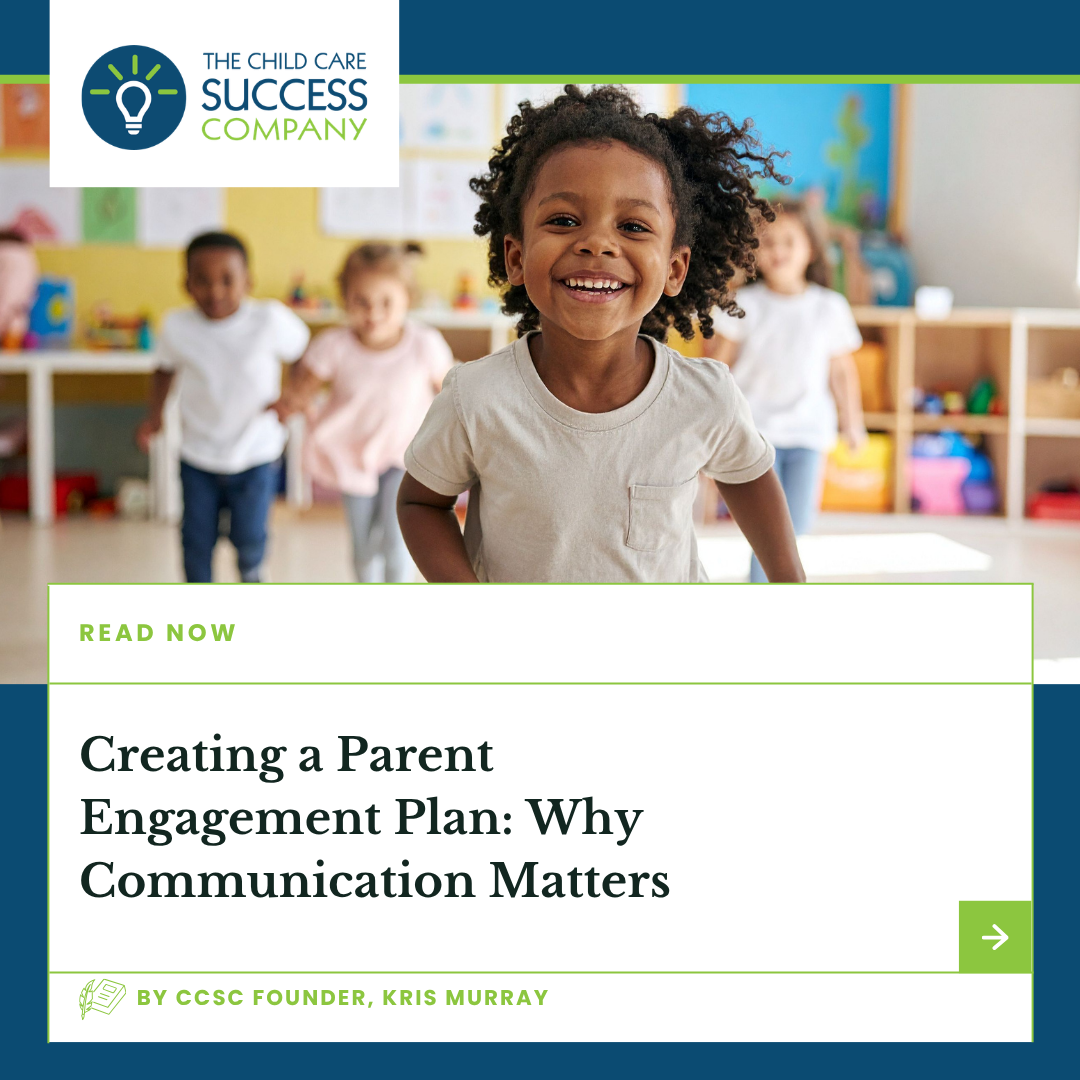
Parent engagement is the key to an excellent child care center. Building strong connections with parents gives trust, enhances the quality of care, and ultimately contributes to the success of your program. Creating a parent engagement plan is essential to establish clear communication and strengthen your relationship with families.
At its core, communication is the foundation of effective parent engagement. When parents feel informed, valued, and included, they are more likely to trust your program and remain actively involved in their child’s development. Here are a few reasons why communication is crucial:
- Trust: Transparent communication builds credibility. When parents feel confident that their concerns, questions, and ideas are heard, they’re more likely to trust your team.
- Collaboration: Open communication creates a space for parents and staff to work together. Whether discussing developmental milestones or addressing challenges, collaboration benefits the child’s overall well-being.
- Boosts Retention: Engaged parents are more satisfied with your program. Regular updates and meaningful interactions create a positive experience, increasing the likelihood that families will stay long-term.
- Promotes Development: Parents who are informed and engaged are better equipped to support their child’s growth at home. Sharing resources, progress, and strategies can have a lasting impact on the child’s success.
Steps to Create an Effective Parent Engagement Plan
To build a solid parent engagement plan, focus on these key steps:
1. Define Your Goals
What do you want to achieve through parent engagement? Whether it’s improving attendance at events, increasing parent satisfaction, or enhancing communication, clear goals will guide your efforts. The happier and more engaged parents are, the more likely they are to share with their friends and family in their community about how much they love your school. This can lead to invaluable word-of-mouth referrals and help grow your program.
2. Choose Your Communication Channels
Parents have different preferences when it comes to communication. Offer a variety of methods to meet their needs, such as:
- Weekly newsletters
- Parent-teacher conferences
- Mobile apps for updates and messaging
- Social media groups or private forums
3. Create a Feedback Loop
Actively seek input from parents through surveys, suggestion boxes, or informal conversations. Showing that you value their opinions encourages ongoing engagement.
4. Schedule Regular Updates
Consistency is key. Send regular updates about their child’s progress, upcoming events, and program changes. This keeps parents informed and minimizes miscommunication.
5. Host Family Events
Invite parents to participate in workshops, open houses, or special activities. These events provide an opportunity for families to connect with your team and with one another.
6. Provide Resources
Share articles, books, and tools to help parents support their child’s learning and development at home. This positions your program as a valuable resource beyond the classroom.
Measuring Success
An effective parent engagement plan evolves over time. Regularly assess your strategies by:
- Monitoring attendance and participation in events
- Gathering feedback from parents
- Tracking improvements in retention rates and satisfaction surveys
Communication is the bridge that connects your child care center with the families you serve. By developing a thoughtful and comprehensive parent engagement plan, you can build lasting relationships, improve outcomes for children, and create a wonderful community within your program. Start by listening, planning, and committing to open dialogue — because when parents and providers work together, everyone wins.